
Dealing with a persistent flaky scalp, incessant itching, or stubborn redness can be more than just a minor annoyance; it can be a source of significant social embarrassment and physical discomfort. Many people dismiss these symptoms as “just a little dandruff” or dry skin, but if the problem persists despite your best efforts at home, you may be dealing with seborrheic dermatitis.
This chronic skin condition affects millions of people globally, yet it remains one of the most frequently misunderstood dermatological issues. At Elite Dermatology and Esthetics, our board-certified dermatologists specialize in identifying the subtle differences between various inflammatory skin conditions. We are dedicated to helping patients manage seborrheic dermatitis through medical-grade protocols that restore both the health of the skin and the patient’s peace of mind.
What Exactly Is Seborrheic Dermatitis?
Seborrheic dermatitis is a chronic, relapsing form of eczema that primarily affects the “seborrheic” (oil-rich) areas of the body. Unlike simple dry skin, which is caused by a lack of moisture, seborrheic dermatitis is an inflammatory reaction to an organism that naturally lives on everyone’s skin.
The condition is characterized by:
-
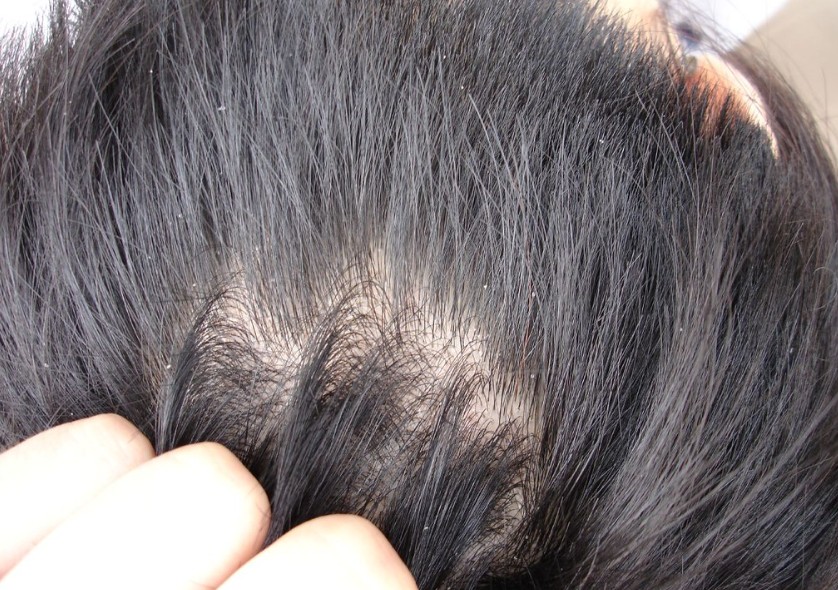
Distinctive Scaling: White or yellowish “greasy” scales that may flake off easily.
-
Erythema: Redness that often appears in the “T-zone” of the face or along the hairline.
-
Pruritus: Itching that can range from a mild tickle to a severe, burning sensation.
-
Texture Changes: In some cases, the skin may feel slightly thickened or “crusty” in affected areas.
If you are looking for a dermatologist in Falls Church, VA, to help diagnose a stubborn rash on your face or scalp, it is important to remember that seborrheic dermatitis can look very different depending on your skin tone. In lighter skin tones, the redness is more apparent; in darker skin tones, the affected areas may appear lighter (hypopigmented) or darker (hyperpigmented) than the surrounding skin.
Common Areas of Involvement
Seborrheic dermatitis doesn’t just happen on the scalp. Because it is tied to oil production, it tends to manifest wherever sebaceous glands are most active:
-
The Scalp: This is the most common site. In its mildest form, it is known as dandruff (pityriasis capitis). In more severe cases, it involves thick, adherent scales and significant redness.
-
The Face: Specifically the “nasolabial folds” (the lines from your nose to the corners of your mouth), the eyebrows, the glabella (between the eyes), and the eyelids (where it is called seborrheic blepharitis).
-
The Ears: It can occur inside the ear canal, on the outer ear, or in the folds behind the ears.
-
The Chest and Back: Occasionally, a “petal-like” rash may appear over the sternum or between the shoulder blades.
-
Skin Folds: In some patients, it can affect the underarms or the area under the breasts (inverse seborrheic dermatitis).
The Root Causes: Why Does It Happen?
While the exact reason some people develop seborrheic dermatitis while others do not is still being researched, the medical community has identified several key drivers.
The Yeast Factor (Malassezia)
The primary culprit is a yeast-like fungus called Malassezia. This fungus is a normal inhabitant of the human skin microbiome. However, in people with seborrheic dermatitis, the body has an exaggerated inflammatory response to the byproducts of this yeast as it breaks down skin oils (sebum).
Environmental and Lifestyle Triggers
Many patients find that their condition follows a “wax and wane” pattern. Flare-ups are often triggered by:
-
Cold, Dry Weather: Winter months are notoriously difficult for patients, as low humidity can compromise the skin barrier.
-
Stress: High cortisol levels can alter oil production and suppress the immune system’s ability to regulate yeast growth.
-
Systemic Health: Neurological conditions (like Parkinson’s disease) and certain immune-compromising conditions can significantly increase the risk and severity of flares.
For those searching for a dermatologist in McLean, VA, our team at Elite Dermatology and Esthetics takes a holistic look at these triggers. We don’t just prescribe a cream; we help you understand the lifestyle adjustments, like stress management and proper skin barrier protection, that can reduce the frequency of your flares.
Is Seborrheic Dermatitis Curable?
One of the most important pieces of information we share with our patients is that seborrheic dermatitis is a chronic condition. This means there is currently no “one-time” permanent cure. However, it is highly manageable.
The goal of professional dermatological treatment is to move the patient into a “maintenance phase.” During this phase, symptoms are so well-controlled that the condition becomes essentially invisible and asymptomatic. Understanding that management is a marathon, not a sprint, helps patients avoid the frustration of “rebound” flares that occur when they stop treatment too early.
Professional Treatment Options at Elite Dermatology
When over-the-counter “blue” or “green” bottles of dandruff shampoo stop working, it’s because the yeast has become resistant or the inflammation has become too deep for non-prescription ingredients. At Elite Dermatology and Esthetics, we utilize a multi-pronged approach:
1. Prescription Antifungals
We use high-potency antifungal creams (like Ketoconazole or Ciclopirox) and shampoos to directly reduce the Malassezia population on the skin.
2. Topical Corticosteroids
For acute flare-ups where the skin is very red, itchy, and angry, a short course of a topical steroid can “put out the fire” of inflammation. We are careful to use specific, low-potency steroids for the face to avoid skin thinning.
3. Calcineurin Inhibitors
For long-term maintenance, especially on the delicate skin of the face and eyelids, we often prescribe non-steroidal creams like Tacrolimus or Pimecrolimus. These medications regulate the immune response without the side effects associated with long-term steroid use.
4. Keratolytics
If the scale is very thick (especially on the scalp), we may use preparations containing salicylic acid or urea to help dissolve the “glue” that holds the dead skin cells together, allowing the antifungal medications to penetrate more effectively.
Why You Should Stop Self-Treating
It is very common for patients to mistake seborrheic dermatitis for other conditions, leading to “treatment failure” that causes unnecessary stress.
-
Psoriasis vs. Seborrheic Dermatitis: Scalp psoriasis often has thicker, “silvery” scales and extends further beyond the hairline. The treatments for the two conditions overlap but have distinct differences.
-
Atopic Dermatitis (Eczema): Traditional eczema is usually much itchier and is driven more by a “leaky” skin barrier than by yeast.
-
Rosacea: Redness on the face could be rosacea, which requires entirely different medications. Using seborrheic dermatitis treatments on certain types of rosacea can actually trigger a flare.
Seeing a board-certified dermatologist guarantees that you aren’t wasting money on products that aren’t designed for your specific biological issue.
Frequently Asked Questions
Is seborrheic dermatitis contagious?
No. It is an internal inflammatory reaction to a yeast that everyone already has on their skin. You cannot “catch” it from someone else, and you cannot give it to others.
Does my diet affect my flares?
While there isn’t a single “seborrheic dermatitis diet,” some patients find that high-sugar diets or heavy alcohol consumption can exacerbate inflammation. Maintaining a balanced, anti-inflammatory diet generally supports better skin health.
Will I lose my hair?
Seborrheic dermatitis itself doesn’t usually cause permanent hair loss. however, the intense itching can lead to “traction” or rubbing that damages the hair shaft. Once the inflammation is controlled, hair typically grows back normally.
Restore Your Skin’s Balance with Elite Dermatology and Esthetics
You don’t have to settle for a flaky scalp or a red, irritated face. At Elite Dermatology and Esthetics, we believe that every patient deserves a clear complexion and a comfortable scalp. By combining medical expertise with a compassionate, patient-centered approach, we help you navigate the complexities of chronic skin conditions.
Take the first step toward relief with Elite Dermatology And Esthetics to handle a resistant case, our team is here to provide the advanced care you need.
📞 Call us today at 703-495-5555 or schedule a consultation online.
Our dermatology office in Tysons Corner is conveniently located and our service area also includes Alexandria, Arlington, McClean, and more.
Elite Dermatology and Esthetics
8100 Boone Blvd, Ste 230
Vienna, VA 22182