
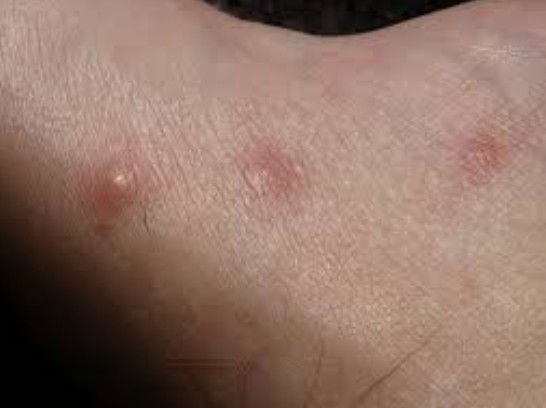
Dealing with a persistent, itchy, or painful skin rash can be more than just a nuisance; it can significantly impact your quality of life, sleep, and confidence. Because the skin is the body’s largest organ, a rash is often a signal that something is imbalanced, whether it is an external irritant or an internal systemic issue.
While it is tempting to reach for an over-the-counter hydrocortisone cream and hope for the best, many rashes require a more nuanced approach. If you are currently searching for a dermatologist in Alexandria, VA, to evaluate a recurring skin flare-up, understanding the underlying causes and the professional treatments available is the first step toward lasting relief.
At Elite Dermatology and Esthetics, we serve patients across Northern Virginia, providing expert diagnostic care for even the most complex skin conditions.
Why “Wait and See” Isn’t Always the Best Strategy
Many people assume a rash is just a temporary reaction to a new soap or a stray blade of grass. While some contact dermatitis does resolve on its own, many other conditions mimic simple rashes but carry long-term implications. For instance, what looks like a simple patch of dry skin could actually be the beginning of chronic plaque psoriasis or a localized fungal infection that will continue to spread without the correct antifungal protocol.
If you find yourself needing a dermatologist in Arlington, VA, our team provides in-depth evaluations that go beyond surface-level observations. We look at your medical history, environment, and specific symptoms to make sure we aren’t just masking the itch, but actually treating the source.
When a Skin Rash Becomes a Medical Priority
Not every red spot requires an emergency visit, but there are specific “red flags” that indicate a rash needs professional intervention. You should schedule a consultation with a board-certified dermatologist if:
-
The Rash is Spreading Rapidly: If a small patch of irritation suddenly covers a large percentage of your body, it may indicate a systemic allergic reaction or a viral exanthem.
-
You Experience Pain or Tenderness: While many rashes itch, a rash that is physically painful to the touch often points to an infection like cellulitis or shingles.
-
Blistering and Oozing: Fluid-filled blisters or “honey-colored” crusting are signs of a primary infection or a secondary bacterial infection (like impetigo) that requires antibiotics.
-
Fever or Malaise: If your rash is accompanied by a fever, chills, or body aches, it is vital to seek medical attention immediately, as this can signal a more serious internal condition.
-
Treatment Failure: If you have been using over-the-counter creams for more than five to seven days with no improvement, the rash is likely misdiagnosed or requires prescription-strength medication.
Common Skin Conditions We Treat
The term “rash” is a broad umbrella for hundreds of different dermatological diagnoses. By visiting a specialist, you guarantee that you receive a targeted treatment plan rather than a “guess-and-check” approach.
1. Eczema (Atopic Dermatitis)
Eczema is a chronic condition that makes your skin red and itchy. It is common in children but can occur at any age. It tends to flare periodically and then subside. Because eczema weakens the skin’s barrier function, patients are more susceptible to infections. A dermatologist can help you manage these flares through topical calcineurin inhibitors, biologic therapies (like Dupixent), or phototherapy.
2. Psoriasis
Psoriasis is an autoimmune condition that speeds up the life cycle of skin cells, causing cells to build up rapidly on the surface of the skin. These extra skin cells form scales and red patches that are itchy and sometimes painful. Unlike a simple dry patch, psoriasis is a systemic inflammatory condition that may also affect the joints.
3. Contact Dermatitis
This occurs when your skin reacts to something it has touched. There are two types: allergic (a delayed reaction to things like poison ivy or nickel) and irritant (a direct reaction to harsh chemicals or detergents). Identifying the trigger is the most important part of treatment, often involving patch testing to find the hidden culprit in your daily routine.
4. Rosacea and Acne-Related Rashes
Sometimes, what looks like a rash on the face is actually a specific type of rosacea or “perioral dermatitis.” Treating these with standard steroid creams can actually make the condition significantly worse, which is why a professional diagnosis is so critical.
The Role of Advanced Diagnostics
One of the primary benefits of seeing a dermatologist is the access to precise diagnostic tools. During your visit, we may utilize several methods to determine the exact nature of your skin irritation:
-
Skin Biopsy: A tiny sample of skin is taken and examined under a microscope by a dermatopathologist to confirm conditions like lichen planus or cutaneous lupus.
-
Patch Testing: This is used to identify specific allergens that may be causing chronic contact dermatitis.
-
Skin Scraping (KOH Test): A quick, painless procedure where skin cells are scraped off and examined for the presence of fungus or mites (scabies).
-
Dermoscopy: Using polarized light to look deep into the layers of the skin to differentiate between inflammatory rashes and pigmented lesions.
The Danger of Misdiagnosis and Self-Treatment
The “Dr. Google” approach to skin rashes is notoriously risky. For example, applying a steroid cream to a fungal infection (like ringworm) will often make the redness fade temporarily while allowing the fungus to grow more aggressively, a condition known as tinea incognito.
By choosing a qualified dermatologist in Alexandria, VA, you avoid the complications of incorrect medication. Our goal is to provide a “one-stop” solution where we diagnose, treat, and provide a long-term maintenance plan to prevent the rash from returning.
Personalized Treatment Plans at Elite Dermatology
Treatment for a skin rash is rarely just a single tube of cream. Depending on your diagnosis, your personalized plan may include:
| Treatment Type | Description | Best For |
| Topical Corticosteroids | Anti-inflammatory creams of varying potencies. | Eczema, Psoriasis, Contact Dermatitis |
| Oral Medications | Antihistamines, antibiotics, or immunosuppressants. | Hives, Infections, Severe Autoimmune flares |
| Biologics | Targeted injectable medications. | Moderate-to-severe Psoriasis or Atopic Dermatitis |
| Barrier Repair | Medical-grade emollients and ceramides. | Compromised skin barriers and chronic dryness |
If you are looking for a dermatologist who takes the time to listen to your concerns and investigate your symptoms thoroughly, Elite Dermatology and Esthetics is your premier choice. We believe that educated patients have the best outcomes, so we make sure you leave your appointment understanding exactly what is happening with your skin.
Don’t Let Your Skin Suffer in Silence
Skin rashes are more than a cosmetic issue; they are a health concern that deserves expert attention. Delaying care can lead to permanent skin thickening (lichenification), scarring, or even systemic infection if the skin barrier is breached.
Whether you are searching for a “dermatologist for skin rash near me” or specifically need a dermatologist in Alexandria, VA, our team is ready to help you find clarity and comfort. Your skin is your first line of defense, let us help you keep it healthy and resilient.
📞 Call us at 703-495-5555
🖥️ Book online
📍 Find us at 8100 Boone Blvd, Ste 230, Vienna, VA 22182
By Saleh Rachidi, MD, PhD – Elite Dermatology and Esthetics
Your Skin. Your Confidence. Our Expertise.