

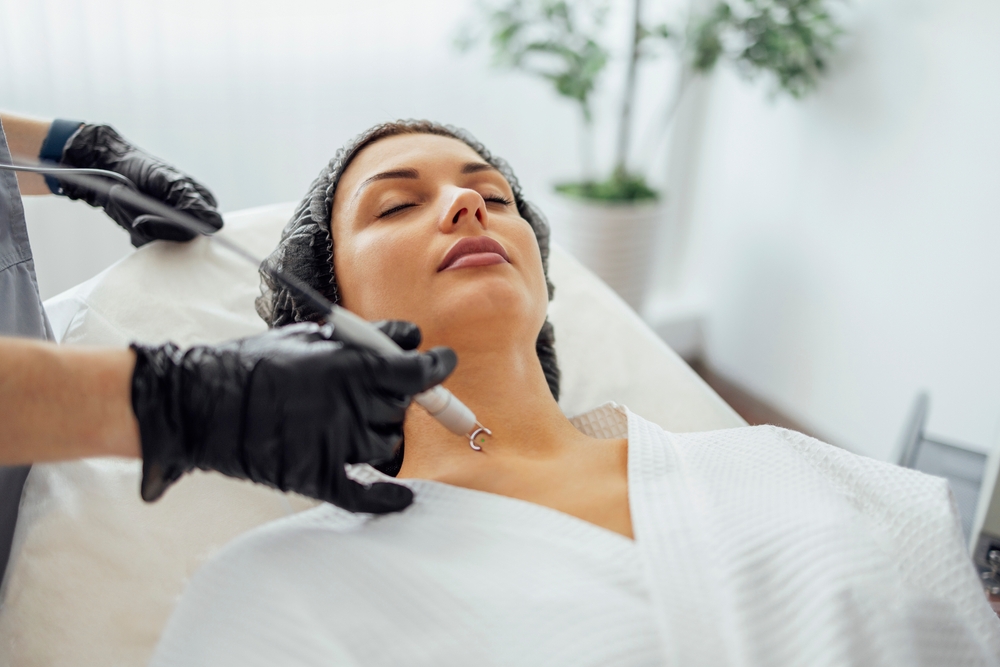
You have a growth that refuses to disappear, and you are ready to eliminate it permanently. Maybe you tried drugstore remedies, or maybe this is your first experience with wart removal. You are probably wondering what happens when a medical professional steps in and how does a dermatologist remove a wart. Elite Dermatology & Esthetics handles wart cases regularly, so what feels overwhelming to you is familiar and manageable for their dermatologist.
Warts are stubborn growths caused by the human papillomavirus (HPV). They can appear anywhere on the body and often resist basic home treatments. Fortunately, clinical dermatology, including the care provided at Elite Dermatology & Esthetics, offers strong wart removals near Vienna to take care of these persistent issues.
Understanding the Different Types of Warts
Before removing a wart, it helps to identify which type you have. Warts fall into a few main categories based on appearance and location. Common warts usually appear on fingers or hands and feel rough to the touch. Plantar warts are another frequent problem. These form on the soles of the feet and can be painful when walking. They often grow inward due to pressure, which makes treatment more challenging.
Filiform warts are thin, finger-like growths that appear around the mouth, nose, or beard area. Because they develop on the face, a dermatologist treats them with great care to avoid scarring. Flat warts are small, smooth, and often appear in large clusters on the face or legs. Identifying the type helps the doctor choose the best approach, something evaluated carefully during your visit at Elite Dermatology & Esthetics.
What Happens During Your Wart Removal Appointment
Walking into a clinic can feel intimidating when you do not know what to expect. A dermatologist who treats warts frequently has seen countless variations and understands how to approach each case. Elite Dermatology & Esthetics works to make your appointment simple and comfortable.
Your dermatologist begins by examining the growth to confirm that it is a wart. Some skin growths appear wart-like but are unrelated. They must rule out conditions such as skin cancer before treating the area.
Once the diagnosis is confirmed, your doctor explains your options. The best choice depends on the wart’s size, location, and your medical history. Some types respond better to specific procedures, such as plantar warts that require stronger methods. Moisture increases the spread of HPV. This information helps create a treatment plan focused on complete removal.
Cryotherapy: Freezing the Wart
Cryotherapy is one of the most commonly used methods. It involves applying liquid nitrogen directly to the wart. The intense cold destroys the wart tissue quickly. The treatment usually lasts only a few seconds per wart. Your dermatologist may use a spray device or a cotton swab. You will feel a sharp stinging sensation that fades quickly.
After treatment, a blister forms around the wart. This is part of the process. The blister lifts the dead tissue away from your skin, and it falls off within one to two weeks. Most warts need several sessions.
You may return every two to four weeks until the area heals. This method has a strong success rate, which is why Elite Dermatology & Esthetics often recommends it. Cryotherapy may cause redness, blistering, or light spots on darker skin, but side effects are usually mild.
Electrosurgery and Curettage
When freezing is not enough, your dermatologist may use electrosurgery with curettage. Electrosurgery burns the wart with an electrical current. Curettage removes the burned tissue with a small scraping tool. The doctor numbs the area first, so you feel pressure rather than pain. The electrical current seals blood vessels and reduces bleeding.
After the wart is burned, scraping removes any remaining tissue. This two-step method helps eliminate the entire growth. The appointment takes only a few minutes. You will leave with a small wound that heals within one to two weeks. There is a slightly higher risk of scarring, which is why Elite Dermatology & Esthetics reserves this method for warts that resist other treatments.
Laser Treatment
Laser wart removal is a high-tech option for difficult cases. The laser targets blood vessels that feed the wart. Once the blood supply is destroyed, the wart tissue dies. This approach works well for warts under fingernails, on the feet, or in sensitive locations. The precision of a laser protects surrounding skin. Many patients choose this option for stubborn plantar warts. Your dermatologist numbs the area before treatment. The wart may darken after the session as the tissue dies. Multiple sessions are often needed.
Chemical Peels With Salicylic Acid
Your dermatologist may use prescription-strength salicylic acid to peel away wart tissue. This is much stronger than store-bought versions. The solution is applied during your visit, and the surface may be filed to help penetration. This process is gradual, and you may have weekly appointments. You might also use topical medication at home between visits. This is a slower but gentler approach that carries a lower risk of scarring. Elite Dermatology & Esthetics often recommends this for flat warts or for patients who want mild treatment.
Immunotherapy
Immunotherapy boosts your immune system so your body attacks the wart virus. One method uses Candida antigen injections. Another applies a chemical called DPCP to the skin. This approach is useful for warts that do not respond to other treatments. It can take several sessions to see results. Redness and itching are the most common side effects.
Surgical Excision
For very large or deeply rooted warts, surgery may be necessary. The doctor numbs the skin and cuts out the wart along with a small margin of healthy tissue. This provides immediate removal, although it may leave a small scar. Stitches remain in place for about a week. The dermatologist at Elite Dermatology & Esthetics uses this method only when other options are not effective.
What To Expect After Treatment
Healing time depends on the method used. Cryotherapy usually heals within two weeks. Procedures involving cutting may take longer. Over-the-counter pain relievers usually handle any soreness. Your dermatologist will give you specific instructions for keeping the area clean and dry. Watch for signs of infection such as redness, warmth, or pus. If anything looks unusual, contact the clinic.
Elite Dermatology & Esthetics encourages patients to reach out quickly if they have concerns. Some warts return even after treatment because HPV can remain in the skin. If this happens, contact your doctor for follow-up care after your wart removal near Tysons.
Why Professional Removal Works Better Than Home Care
Over-the-counter options can help small or new warts, but they are often too weak for deep or stubborn growths. Professional tools and medications reach tissue that home products cannot reach. A dermatologist can also rule out dangerous skin conditions that may look like warts.
This prevents you from misdiagnosing something that needs medical attention. Improper home treatment can damage healthy skin and cause scarring. Filiform warts on the face, in particular, should only be handled by professionals. The dermatologist at Elite Dermatology & Esthetics is trained to remove these safely.
Conclusion
Understanding how a dermatologist removes a wart helps you take control of your skin health. From freezing to lasers, modern dermatology offers several effective options. The right method depends on your wart type and your own preferences.
If you have a persistent growth, request an appointment with Elite Dermatology & Esthetics. Their dermatologist can explain how a dermatologist removes a wart in your specific case and provide a treatment plan that works for you.