
When browsing the skincare aisle, the rows and rows of products containing various products can be a bit overwhelming. With similar labels, all boasting powerful ingredients promising to “turn back the clock” or provide effective acne treatment in McLean, it can be hard to determine what you actually need. Dr. Rachidi at Elite Dermatology is here to help! Retinol and retinoid sound alike because of their chemical relation, but they are not interchangeable terms. It is important to understand the distinction between prescription retinoids and non-prescription options. This is critical when trying to choose the right product for your skin concerns.
Retinoids are used extensively in modern dermatology, referring to a massive class of chemical compounds derived from Vitamin A. Retinol is simply one specific type within that larger group. At Elite Dermatology, we specialize in guiding patients through the specifics, making sure you leave with the option that best fits your personal skincare goals.
Retinol vs Retinoid: Are Retinol and Retinoid the Same?
Retinoid is the primary umbrella category for Vitamin A derivatives used in both clinical and cosmetic applications. This includes both natural and synthetic forms. Dermatologists will prescribe them for a number of reasons: severe acne, psoriasis, fine lines, photoaging, etc.
In technical terms, retinol is simply a type of retinoid. However, “retinoid” often refers to prescription-strength products, such as Tretinoin.
Retinoic Acid and the Biological Mechanism: How Prescription Retinoids Work
Looking at how human skin processes Vitamin A can help you understand the different behaviors of these ingredients. Retinoic acid is recognized by specific receptors of your skin cells. This is what triggers both collagen production and increases skin cell turnover, resulting in a more youthful appearance.
Comparing Prescription Retinoids and Over-the-Counter Retinol Products
Each variation has a specific use case depending on your skin tolerance, age, and primary dermatological goals. Understanding the specific ingredients can help determine the right product for you. There are several variations in skincare products to explore.
Common Over-the-Counter Retinol Products
- Retinyl Palmitate: This is a milder option available for those with sensitive skin. Manufacturers combine retinol with palmitic acid to create this stable ingredient. It is more gentle but less effective for dramatic changes.
- Retinol: The gold standard for non-prescription anti-aging and general skin improvement. It balances efficacy with tolerability for the average user. Clinical studies show its ability to improve skin texture and reduce hyperpigmentation over six to twelve months of regular use.
- Retinaldehyde (Retinal): This ingredient is gaining popularity because it is only one step away from active retinoic acid. It is an excellent choice for adults dealing with both acne and aging concerns.
- Adapalene: Originally a prescription-only medication, Adapalene 0.1% is now available over the counter for acne treatment in Arlington. It is a synthetic retinoid which targets receptors within the pores. It is also effective for anti-aging and clearing breakouts and preventing future blemishes.
Potent Prescription-Strength Retinoids
- Tretinoin (Retin-A): This is retinoic acid; it requires no conversion and works aggressively to turn over skin cells and stimulate collagen. Dermatologists prescribe it for severe acne and photoaging, but it carries a high risk of irritation.
- Tazarotene: This is a more potent topical retinoid. It is often used for psoriasis and severe acne that has resisted other forms of treatment. It can be extremely drying and is usually reserved for skin that has not responded to milder treatments.
Retinoid Benefits: Balancing Anti-Aging Efficacy and Skin Irritation
The primary difference between retinol and prescription retinoids boils down to the potency and side effects. Prescription options deliver stronger results but come with a higher “tax” on your delicate skin barrier. Professionals often call this period of adjustment “retinization”.
During retinization, you may experience redness, peeling, and dryness as your skin adapts. Because the drug accelerates skin cell turnover faster than your skin barrier can naturally handle, irritation can occur. Retinol is weaker and causes these issues less frequently.
Dermatologists often suggest that consistency is more important than potency when developing a skincare routine. For example, using a moderate strength retinol every night will be better than using a strong prescription retinoid once a week. Maintaining a healthy skin barrier and avoiding chronic inflammation can help you achieve better long-term results.
Skincare Guide: How to Safely Integrate Retinoids and Retinol into Your Routine
Our specialists can provide you with the proper application techniques to minimize side effects and maximize anti-aging benefits. To avoid negative reactions, you must utilize a strategic approach.
Skincare Application: How to Apply Retinoids and Retinol Correctly
- Cleanse and Dry Thoroughly: Wash your face with a gentle cleanser. Wait until your skin is completely dry before applying the product.
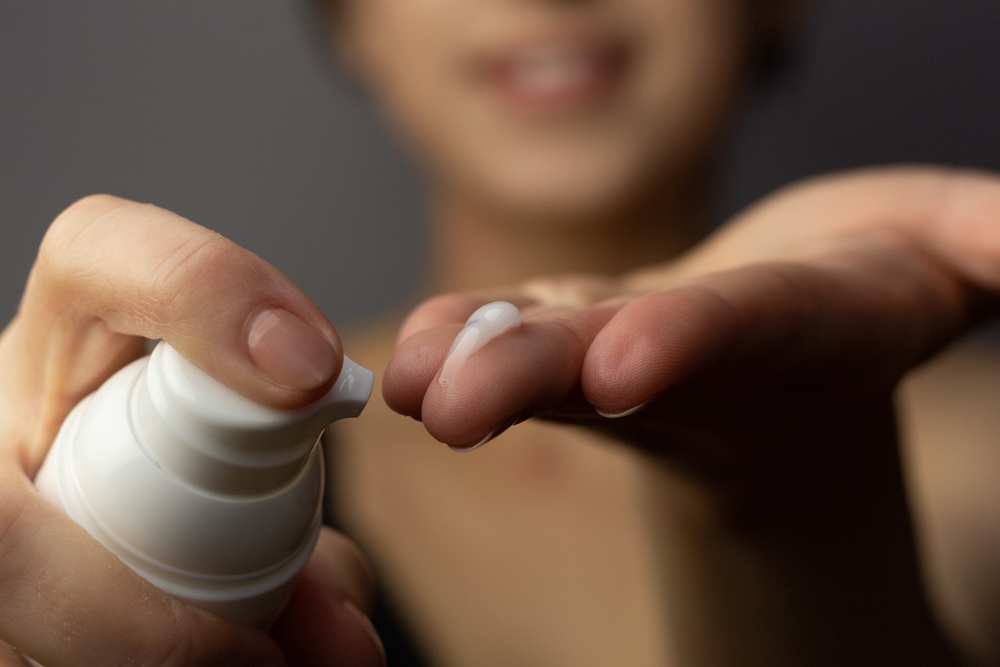
- Apply a Pea-Sized Amount: Dispense a small amount onto your finger. Dot it across your forehead, cheeks, nose and chin, then spread it evenly. Do not use more product thinking it works faster. The areas around the eyes, nose and mouth are more sensitive and should be treated more conservatively.
- Moisturize Immediately: Follow up with a barrier-repairing moisturizer to lock in hydration. This counteracts the drying effects of the Vitamin A derivative and supports the skin barrier.
Tip: Try the “sandwich method” by applying moisturizer first, then retinol, then moisturizer again.
Debunking Common Myths: Tretinoin vs Retinol and Vitamin A Skincare
Unfortunately, there is a lot of misinformation surrounding Vitamin A derivatives. A common misconception is that using retinoids will thin your skin over time. In reality, they actually thicken the deeper layers of the dermis by stimulating collagen while compacting the outermost layer of dead skin cells. We focus on these results for long-term skin health.
Another myth is that you cannot use retinoids during summer, or in times with high sun exposure. Wearing broad-spectrum sunscreen (SPF30 or above) daily can help mitigate the degrading effects of sunlight. Apply retinoids at night to guarantee maximum effectiveness. Retinoids can increase your skin’s sensitivity to the sun, hence, wearing sunscreen daily is crucial.
Some believe that for the product to be working, you must experience visible peeling. This is actually a sign of irritation and barrier damage rather than effectiveness. Ideally, skin cell turnover should occur invisibly and without inflammation.
Choosing the Right Vitamin A Derivative: Retinol vs Retinoid for Your Skin Type
Choosing between an over the counter retinol and a stronger prescription retinoid depends on your primary skin concern and sensitivity. If your main goal is preventative anti-aging or treating minor fine lines, over-the-counter retinol might be sufficient. It provides steady improvement with minimal disruption to your daily social schedule.
However, if you are battling cystic acne or deep wrinkles, a prescription retinoid might be necessary. In these cases, the benefits of the medication could outweigh the potential side effects. You should consult a dermatologist in Falls Church to discuss if your skin can handle medical-grade treatments.
Sensitive skin types should proceed with caution when introducing any new derivative. Ultimately, the key to success with any vitamin A derivative is the “low and slow” approach. Regardless of whether you choose a gentle retinol or a potent retinoid, starting with a small amount just twice a week allows your skin to build tolerance without excessive peeling or irritation. By pairing your treatment with a high-quality moisturizer and daily SPF, you can mitigate the initial “retinization” phase and achieve a smoother, more radiant complexion over time.
Conclusion
Just remember the family tree analogy: retinoid is the family name, while retinol is just one member of that group.
When used as part of a consistent routine, one can achieve excellent results starting with just over-the-counter retinol. Offering a unique balance of safety and effectiveness, they can fit well into a long-term strategy. You can utilize these ingredients without the unnecessary irritation with Elite Dermatology’s expertise. Contact us today to start your skincare journey.